Our View: Unifying a Divided Nation

By this point, we are all exhausted by the endless rhetoric about America being a divided nation – a country of haves and have-nots. But, we think it’s important right now to explore this concept of division a little further. We’re not talking about partisan sniping. We’re talking about moisture and weather.

Our View: Making the Ag Vote Count

Selling more U.S. farm product overseas is the most important issue for farmers this time around – outranking even the war on terror, deficit reduction and healthcare. Not far behind on the list was passing the new Farm Bill, which was more important to farm voters than rural job creation, infrastructure improvements, immigration and lowering taxes.

Subsidy Spotlight: India

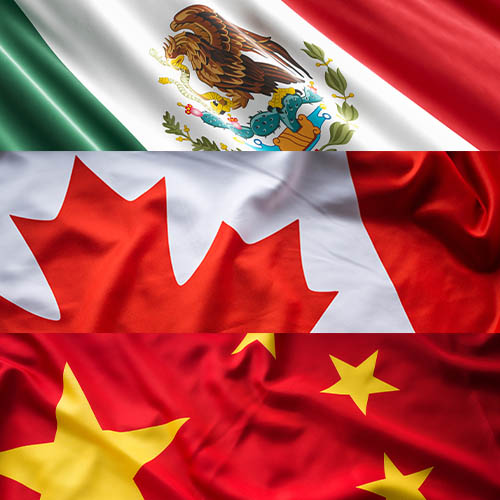
Earlier this week, President Donald Trump and his trade team announced a modernized trade pact with Mexico and Canada, and most of agriculture cheered.  But it was a comment about another country during the White House press conference that really caught our attention. India is “the tariff king,” the President said.  “India charges tariffs of 100 percent … that’s not free trade.”

Surveys Show Rural America Continues to Struggle

America’s struggling farm economy is heading for even bigger declines, according to recent surveys, and the nation’s top bankers say manufacturers should expect a major drop in sales of new equipment. Inflation-adjusted net farm income, which is a broad measure of profits, is expected to be down by $11.4 billion, or nearly 15 percent, this year compared to 2017, according to USDA’s August Farm Income Forecast.

It’s Still ‘Kinda Flakey’ to Destroy Farm Policy with Anti-Farmer Amendments

When Congressmen Ron Kind (D-WI) and Jeff Flake (R-AZ) introduced an amendment to the Farm Bill in 2007 that would have gutted U.S. farm policy and put American jobs at risk, the outcry from the agricultural community was swift and fierce. A campaign backed by farmers quickly labeled their plan “Kinda Flakey” and highlighted the disastrous effects it would have on commodities and rural communities from coast to coast.