Cutting Crop Insurance for Big Farms Would Hurt Small Farmers Too
America’s largest farms are far less risky than smaller operations and typically have fewer crop insurance claims, according to a new working paper from top agricultural economists.

America’s largest farms are far less risky than smaller operations and typically have fewer crop insurance claims, according to a new working paper from top agricultural economists.
Approximately 100 Hill staffers attended a pair of briefings this week that closely examined and debunked a number of farm policy criticisms leveled by the Heritage Foundation and other anti-farmer organizations.
According to the Chinese zodiac calendar, 2017 was the year of the “fire rooster,” which is also associated with the elements of gold and earth. It was fitting considering all the foreign farm subsidies that were doled out.

American agriculture will take center stage in the national discussion next week when President Trump addresses Farm Bureau members in Nashville, Tennessee.
Thank you the farmers of this nation who put food on our tables, conserve our landscape and make our economy hum.
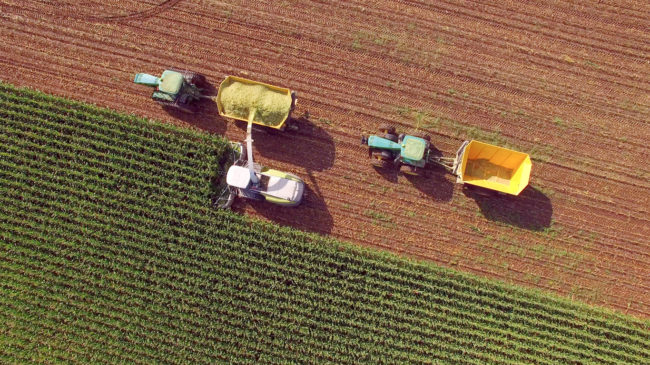
Farmers and ranchers across America will have their voices heard in the USDA Census of Agriculture, and the data collected in the coming months will certainly help shape agricultural policy for years to come.
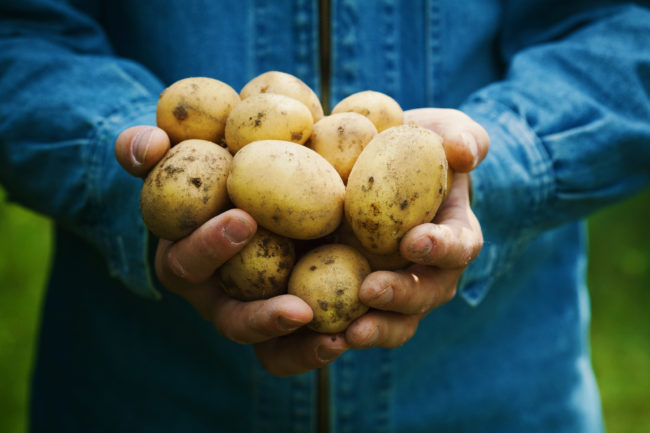
When you sit down at the family dinner table this Thanksgiving and count your many blessings, be sure to take a moment to acknowledge the contributions of our nation’s farmers.
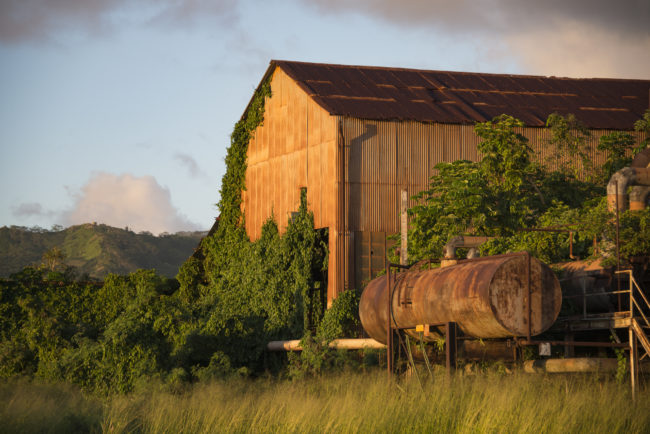
Last week was busy for the anti-farm crowd in their quest to leave farmers with fewer tools to deal with depressed crop prices and weather disasters.
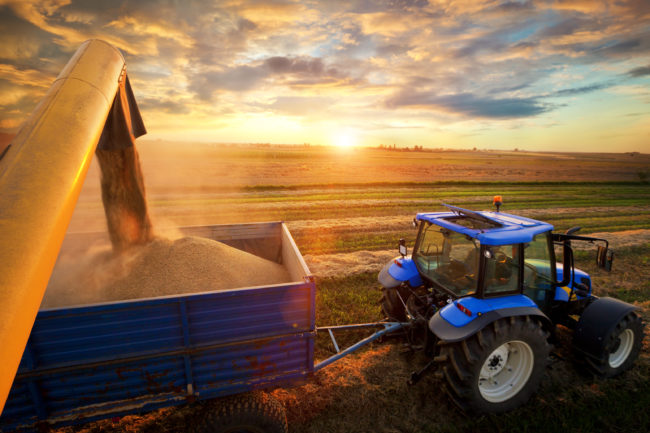
As Congress considers President Trump’s $1 trillion infrastructure investment plan, advocates for agriculture and rural communities are making sure lawmakers understand spending is needed not only for roads and bridges but also for broadband internet and a host of other items on the nation’s maintenance backlog.

“Here in Louisiana, it’s been more than 200 years we’ve been harvesting cane…”

“Everything has gotten bigger and faster,” he says. And more expensive, which makes today’s low and stagnant sugar prices all the more challenging.

Hurricane Irma may ultimately be blamed for $100 billion in damage across Florida, making it one of the costliest storms in U.S. history.