Farm Bill Needs Tweaks, Not Wholesale Change
“It underscores why wheat farmers see crop insurance as a top priority…”

“It underscores why wheat farmers see crop insurance as a top priority…”
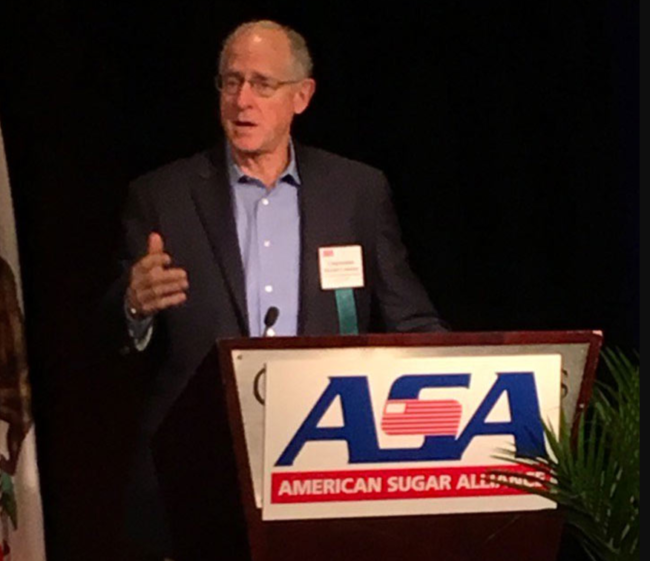
Leaders of the House Agriculture Committee want Congress to move fast on the new Farm Bill, and they will have the support of America’s largest farm groups.

Making sure America’s farmers and ranchers have the tools to compete on a global scale begins with a strong farm bill.

At the end of the day, the Agriculture Committees are the workhorses that get it done.

In that single moment, I realized that there are no guarantees and certainly not with farming. We operate at the will of Mother Nature. As a result, we have to do our part to minimize the risk as best as we can, so we can get back on our feet when a disaster strikes.
The new report entitled, “The Heritage Foundation’s Farm Policy Proposals: Harmful to U.S. Farmers and Ranchers and Ineffective in Advancing Free Trade,” addresses what the author believes are fundamental flaws in Heritage’s “blueprint” for agricultural policy, which calls for unilaterally eliminating U.S. farm policy.

It’s still unclear how things will turn out in the ongoing situation with Mexico’s subsidized sugar industry, or with China’s trade abuses against corn, rice, and wheat. But one thing is for certain: U.S. agriculture wins when it trades, and trade only works if everyone plays by the rules.
Policy experts are hopeful the momentum will continue, especially if Congress makes sound decisions regarding farm policy, which provides a foundation for the rural economy. But, there’s still a long way to go.

If the Trump administration’s first major budget plan became law, it most assuredly would harm our farmers, ranchers, and agricultural production.

I understand how crucial farming and ranching are. I also know that our agricultural producers are facing serious challenges.
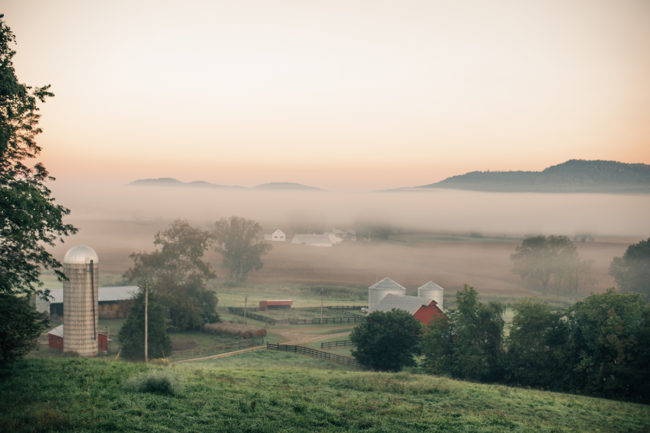
Efforts to keep farmers farming during dark days are why a farm bill exists. We call it a farm bill for a reason. It all starts on the farm.

All told, farm exports account for $340 billion in economic activity and support more than a million jobs, according to Agexportscount.com.